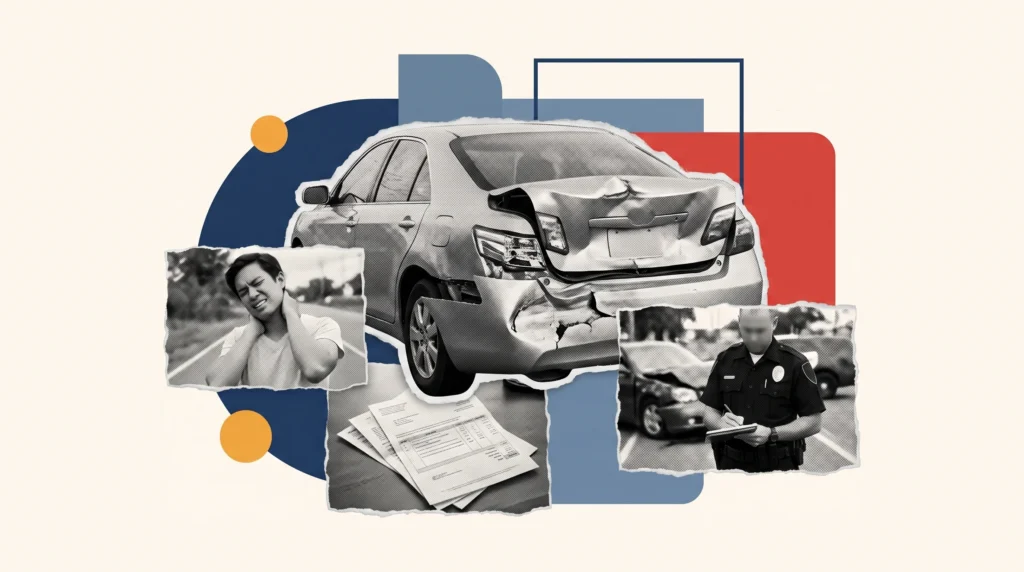
The crash came and went in the blink of an eye, but the impact it’s having on your life has extended far longer. Weeks later, you’re still flinching at brake lights or feeling growing anxiety every time you turn the key and start your engine. This condition isn’t unusual, especially in the wake of a serious crash.
Texas law treats post-traumatic stress disorder (PTSD) the same way it treats a broken bone: as something you can claim compensation for.
Can I Sue for PTSD After a Crash?
Yes. Texas doesn’t require you to file a separate lawsuit or clear a special hurdle to get paid for PTSD after a car accident. The Texas Supreme Court settled this in Boyles v. Kerr: there’s no standalone claim in Texas for negligently causing someone emotional distress, and this only matters when nobody has broken another duty.
If another driver hits you and is found to be at fault, they have breached their duty, to you and everyone else, to drive with reasonable care. Your PTSD depends on the same car accident claim as your physical injuries. It isn’t a separate legal fight.
Texas law directly backs this up. Texas Civil Practice and Remedies Code § 41.001 places “mental or emotional pain or anguish” in the same damages category as physical pain and suffering. Both count as noneconomic damages in your claim.
So long as you were involved in the crash, you don’t need to prove your distress showed up as a physical symptom to collect for it. However, that rule bends slightly for someone who witnessed a family member get hurt without being hit themselves. If you were behind the wheel or in the car, that exception doesn’t apply to you.
What Counts as a Formal PTSD Diagnosis?
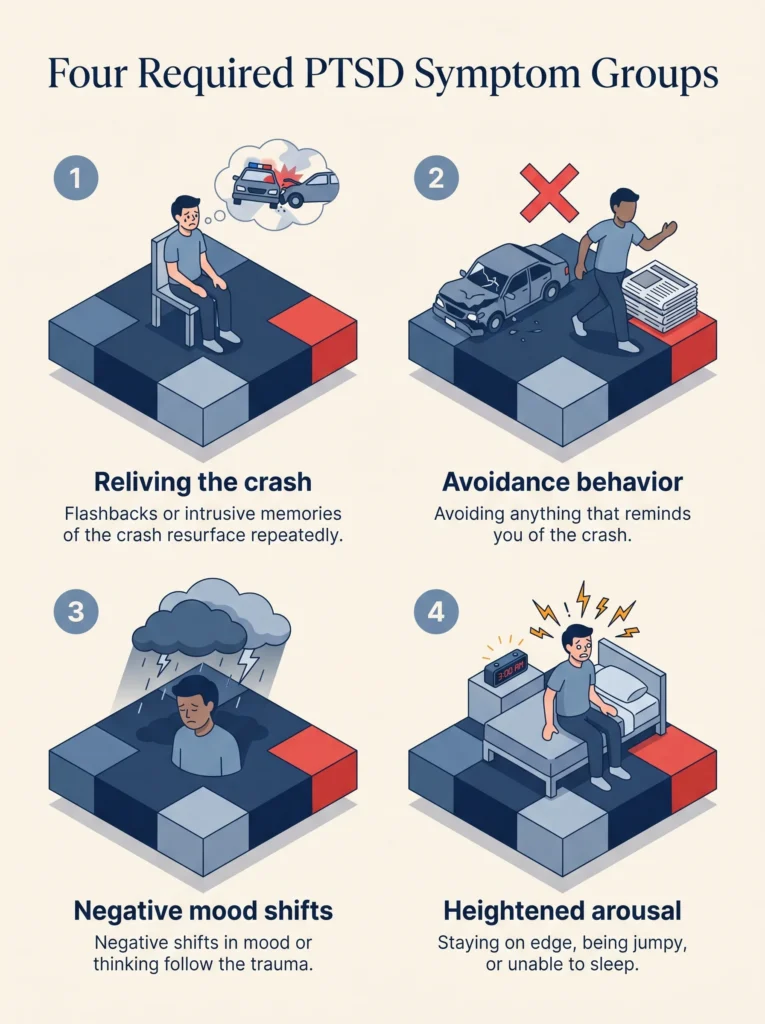
A real PTSD diagnosis has specific requirements, and knowing them tells you what your claim must prove. The National Institute of Mental Health defines PTSD as symptoms that last more than a month, are severe enough to disrupt your work or relationships, and are drawn from four required groups:
- Reliving the crash through flashbacks or intrusive memories
- Avoiding anything that reminds you of the crash
- Negative shifts in mood or thinking
- Staying on edge, being jumpy, or unable to sleep
You’re far from alone if this is happening to you. A pooled analysis of 82 studies on road accident survivors worldwide, including in North America, found an overall PTSD rate of about 20%.
PTSD is highest right after the crash and drops over the following months, so many people improve without it becoming a long-term condition. Standard treatment, mainly trauma-focused therapy and sometimes medication, typically runs 6 to 12 weeks or longer, depending how severe it is. That’s why the diagnosis and treatment record matter: they show how serious your claim is and how long the injury actually lasted, instead of leaving everything to guesswork.
What Drives the Value of Your Claim?
There’s no fixed dollar chart for PTSD. What actually moves the amount is the strength of your evidence. Texas courts require proof of either a substantial disruption to your daily routine or a high degree of mental pain and distress that goes well beyond ordinary worry or embarrassment. The Texas Supreme Court set this standard in Parkway Co. v. Woodruff. You can prove this through your own testimony, testimony from people who know you, or a mental-health professional’s expert opinion. All three count.
This is exactly where a physical injury from the same crash helps, even though it isn’t legally required. Documented physical injuries and a connected treatment timeline show that your distress is real and tied directly to the wreck, which is the same disruption evidence Parkway asks for. A diagnosis that lines up cleanly with your hospital records and recovery timeline is simply easier to believe and harder to argue with.
A well-documented claim can also support two separate categories of economic loss: the wages you’ve already missed, and, when the record supports it, a lasting reduction in your ability to earn income going forward. These aren’t the same thing, and neither is capped at what’s already been billed or paid. Diminished earning capacity is a real economic loss, not a lesser or “soft” category, even though it depends on evidence that takes time to build.
Rules That Can Limit Your Claim
Two Texas rules can shrink or shut down your claim, no matter how strong your diagnosis is, so it pays to act early.
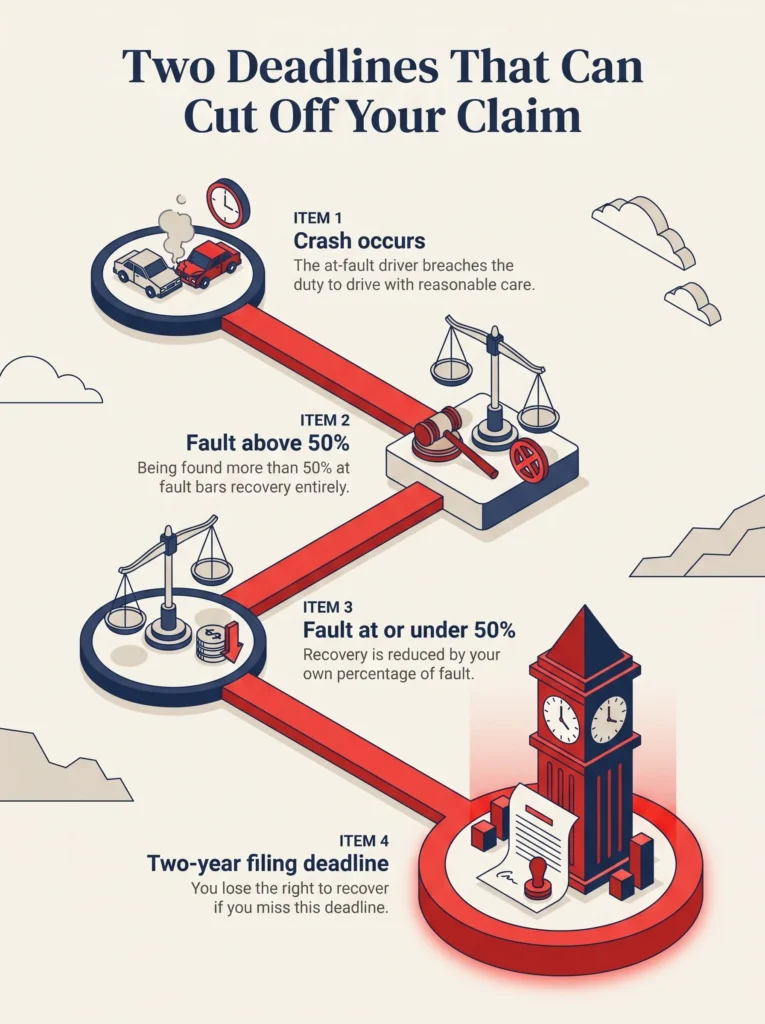
- A two-year filing deadline. Texas Civil Practice and Remedies Code § 16.003 gives you two years from the date of the crash to file a personal injury lawsuit. Miss it, and you typically lose the right to recover at all, regardless of how well-documented your PTSD is.
- Proportionate responsibility. Under the same code § 33.001, if you’re found more than 50% at fault for the crash, Texas law bars you from recovering anything. At 50% or under, your total recovery gets reduced by your own percentage of fault. This applies to your whole claim, PTSD included, the same as any other damages category.
Find the Right Attorney for Your Claim
Psychological injury is easier to prove with someone who knows exactly how to document it by tying your diagnosis and treatment to the crash, and bringing in a mental health expert when needed. This is the kind of deliberate work an experienced attorney does every day.
The Texas Crash Network can match you with an attorney who knows how to build that kind of claim. Take our short survey and we’ll match you with the right lawyer for your situation. It’s free of charge, and there’s no attorney fees unless they win your case. Not ready yet? You can reach out with your questions first and go from there.